
KUALA LUMPUR, 21 FEBRUARY 2022 — With many companies looking to grow and expand as they eye the post-pandemic recovery, many recruiters are now eyeing the pros and cons of hiring experienced talent versus training new or existing talent in a company.
There are many conversations surrounding talent shortage, not only in Malaysia but also globally. This has caused the recruitment space to fast become a competition arena as employers contend to onboard the best talents, but this could also be one of the factors that contributes to the talent shortage as everyone fishes from the same talent pool.
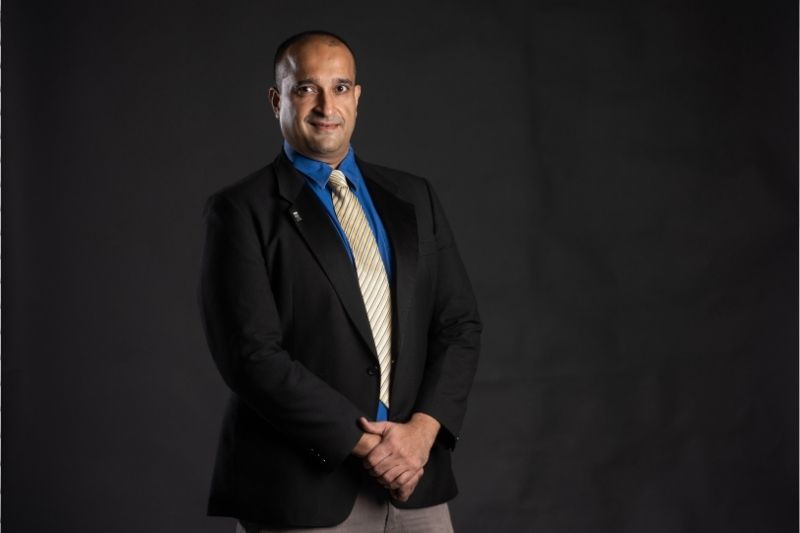
By Associate Professor Dr Hafezali bin Iqbal Hussain
During the past two years, Malaysians have been allowed to make several rounds of withdrawals from their EPF savings. This was done via the i-Lestari, i-Sinar and i-Citra schemes which resulted in a total withdrawal of RM 101 billion by 7.4 million members. According to EPF, this has resulted in 6.1 million members having less than RM 10,000 currently in their savings and a staggering 79% of them having less than RM 1,000 left consequently. Whilst this is not a new phenomenon, given that 28% in the pre-pandemic years already had critically low savings in their EPF account, the pandemic has only exacerbated the issue.
The current situation of low savings by a large segment of contributors highlights the limitations in distribution of net wealth. The issue can be explained by the ‘savings glut’, a phrase coined by Ben Bernanke in 2005 where savers in the top income brackets with excess funds were not spending the money but instead investing in greater proportion. Over time, the total savings would exceed the need for funds to spur economic activities and end up creating a savings glut.

By Assoc Prof Dr Lim Soo Kun
Consultant nephrologist and
Head of Renal Division, Department of Medicine, University of Malaya
For most people whose kidneys have failed, the best treatment is a kidney transplant. While dialysis – whether haemodialysis or peritoneal dialysis – is a fantastic treatment that allows a person with kidney failure to live with fairly satisfactory health, it still has certain limitations.
One is in terms of long-term health complications. While dialysis does a good job at removing waste products and excess fluids from our blood, it is not a perfect replacement for a functioning kidney. Thus, those undergoing this procedure are still vulnerable to chronic complications such as anaemia, renal bone disease, heart disease and stroke, among others. They will also face rather strict limitations in terms of lifestyle, especially when it comes to work and travel, as dialysis is a procedure that needs to be frequently repeated with specialised medical equipment. Those undergoing haemodialysis need to go to a haemodialysis centre three times a week for a period of around four hours each time. Meanwhile, those on peritoneal dialysis need to perform the procedure four times a day for 30 to 40 minutes each time with continuous ambulatory peritoneal dialysis, or once a day (usually during bedtime) for a period of 8 to 10 hours with automated peritoneal dialysis. Most importantly, in terms of survival, only about half of dialysis patients are still alive five years after they start treatment.