
Future-proofing Malaysia’s Power Grid for 13MP
By Edwin Kong, the Business Vice President for Power System Malaysia, Schneider Electric
The recent International Energy Week in Sarawak highlighted its aim to become a regional leader in low-carbon energy. Over two days, more than 400 companies and brands from 25 countries came together to discuss the future of energy, including smart grids, carbon capture, utilisation and storage (CCUS), the use of artificial intelligence (AI) in energy, and financing solutions.
As mentioned during the Schneider Electric Innovation Talk in Sarawak, we are seeing increased transition towards clean and sustainable energy. Data from the International Energy Agency shows a 70% increase in global investment in clean energy over the past 5 years and a 15% decrease in investment in fossil fuels.
With already 70% of its current power mix generated from renewables, Sarawak is aiming to implement projects and attract investors aligned with its ambition to become the “Battery of ASEAN”.
Schneider Electric participated to showcase technologies and case studies relevant to renewable energy, green hydrogen, smart-grid modernisation, and carbon management.
Separately, similar technologies are widely discussed as Malaysia begins its journey to implement its next 5-year national plan from 2026 to 2030.
13MP challenges and opportunities
The 13th Malaysia Plan (13MP) outlines federal allocations of RM611 billion, signalling commitments to clean energy, digitalisation, and infrastructure resilience.
The 13MP blueprint includes targets to digitise 95 per cent of public service operations and extend 5G coverage to 98 per cent, creating an enabling environment for an AI-enabled, high-tech future.
At the same time, Malaysia has outlined a clear direction to strengthen its position in the fields of AI and digital technology. Part of this includes the AI Technology Plan 2026-2030 being drafted by the National AI Office (NAIO), which promotes the development of local talent, research, and technology commercialisation to support the widespread adoption of AI.
This focus on AI has led to the rapid growth in establishing data centres, which is quickly becoming a major factor affecting Malaysia’s electricity demand. Johor, the hub of the Johor–Singapore Special Economic Zone, approved 42 new data-centre projects in the second quarter of 2025 alone, reaffirming its status as ASEAN’s emerging hyperscale centre.
One such example is DayOne Data Centres, which has already secured RM15 billion (approximately US$3.6 billion) in green financing to develop a 500 MW campus near Iskandar Puteri, with the first 100 MW block scheduled for completion in 2026. Across the country, investment in server halls is projected to increase by 185 per cent between 2023 and 2025, supporting over 30,000 Malaysian jobs annually by 2030 and adding several extra gigawatts of near-continuous base-load to the grid.
A key factor for ongoing progress in grid resilience and digitalisation is the pace of acceleration in unlocking new renewable corridors. This could help Malaysia achieve the 13MP’s clean energy targets.
Plans announced by the government include connecting power grids between Peninsular Malaysia and Sarawak, aiming to expand green electricity exports. Malaysia is also examining the feasibility of nuclear energy as a long-term energy source for a clean and sustainable energy supply.
To summarise, the 13MP sees rising demand for clean energy, increased grid interconnectivity, and the need to address the global trend of rising temperatures and climate events that could impact grid stress.
Trends Shaping Regional Interconnectivity
Three trends shaping regional interconnectivity include:
All of these can be managed through technology that fosters resilience, flexibility, and sustainability.
Technologies such as Fault-Location, Isolation and Service-Restoration (FLISR) can locate and reroute around a fault in under 60 seconds, protecting hospitals and data centres during severe storms. Elsewhere, dynamic grid reconfiguration has reduced up to 75 kilotons of CO₂ annually in some utilities abroad. Such an outcome may be relevant to the country’s emissions-trading ambitions.
These solutions could support Malaysia’s planned grid complexity, particularly as electric vehicle charging and distributed solar power become increasingly important to Malaysia's future electrification.
As Malaysia works to reach its 35% renewable energy target, export green energy across ASEAN, and support a resilient, AI-enabled economy for the upcoming decade as part of its 13th Malaysia Plan, progress would benefit from a digital-first, adaptable national grid.
###

From the Ground Up: Building a Stronger Digital Malaysia
By Jeffri Shahul Hamid, Founder, Enginemailer
What does a truly digital nation look like? Is it defined by high-speed networks and global platforms, or is it ensuring that even the smallest café, home business, or cooperative can grow confidently online?
Research from the World Economic Forum shows that ASEAN’s digital economy could reach nearly USD 1 trillion by 2030. In Malaysia, too, the national agenda is evolving. The government is actively driving digitalisation through long-term plans that focus on building not just applications but digital infrastructure and sovereignty. The ASEAN Digital Masterplan 2025 (ADM 2025) envisions a secure, transformative, and inclusive digital community.
Initiatives such as the MyDIGITAL Blueprint and the 13th Malaysia Plan further strengthen this push – underlining a national vision of connectivity, inclusion and digital opportunity for everyone, from large corporations to small businesses.
The Heartbeat of Malaysia’s Economy
Small and medium enterprises (SMEs) remain the backbone of Malaysia’s growth story, making up 97% of all businesses. From home-based bakers and craft sellers to tuition centres and neighbourhood cafés, SMEs keep communities vibrant and local economies alive. Yet for many of these businesses, the national ambitions can feel distant. The day-to-day realities of running a business such as managing costs, customers, and time often make digital transformation feel out of reach.
The challenge lies not in ambition but in accessibility. Many businesses have heard of “going online”, “automating” or “digital marketing”, but the reality is that tools often feel expensive, complex or simply not built with our everyday needs in mind. According to the World Economic Forum’s survey of ASEAN small business owners, what matters most is simplicity, speed, affordability and practical support. Many local business owners say they do not lack ambition; what they lack are the right tools, the right processes, and the right support.
A Simpler Path to Digital Growth
In a world where many digital tools are designed for large corporations, it is easy for smaller businesses to feel left behind. Digitalisation does not need to begin with costly systems or advanced automation. For many, progress starts with something far more personal – communication.
For smaller businesses, licensing costs, integration challenges, and compliance complexities often outweigh the benefits. This limits Malaysia’s progress towards an inclusive digital economy, one that ensures smaller enterprises can compete on equal terms.
While AI and automation dominate public conversations, the real foundation of digital commerce remains the same – communications infrastructure. Every order confirmation, onboarding email, and campaign delivery depends on systems that are stable, compliant, and scalable. This is where Malaysia’s local innovators play a vital role. Instead of building complex enterprise platforms, the focus should be on tools that are reliable, affordable, and designed for the realities of everyday business.
Trust as the Foundation of Digital Growth
Today, the conversation is shifting. The question is no longer how quickly we can adopt technology, but how many systems we can independently trust.
Enginemailer is one such platform. It was built on a simple idea that every business, regardless of size, deserves access to professional and reliable communication tools. The platform enables businesses to manage and grow their customer database, as well as send emails, newsletters, and updates without needing advanced technical expertise or high subscription costs. It gives businesses – from small bakers to youth-run gyms and cooperatives – the space to grow at their own pace. Its safeguards comply with Malaysia’s Personal Data Protection Act (PDPA), ensuring every message sent is secure and giving business owners the assurance that their customer relationships are built on trust.
Email may feel like one of the oldest digital tools, but it remains among the most effective – especially for small businesses. This is why flexibility and accessibility are built into the platform’s foundation, offering affordable, usage-based options and even a free forever tier that helps new businesses take their first steps without hesitation.
Building Trust and Inclusion Through Local Infrastructure
The future of Malaysia’s digital economy depends on how well we can close the gap between ambition and access. That means empowering every business – from village stalls to city-based startups – with the ability to participate, compete and grow on equal footing.
In Malaysia’s journey toward inclusive digitalisation, communication infrastructure plays a strategic role. When small businesses have the right tools to tell their stories, the impact goes far beyond sales. It builds stronger communities, closer relationships, and a more inclusive digital economy – one that is built on connection, trust, and the shared belief that growth should include everyone.
###
Empowering Every Corner of Malaysia: Free Job Advertising Is Opening Doors for MSMEs Beyond Big Cities
Byline to be attributed to Nicholas Lam, Managing Director of Jobstreet by SEEK Malaysia

As Malaysia works towards balanced economic growth, talent opportunities are increasingly emerging beyond the nation’s major urban centres. Secondary cities like Ipoh, Kuching and Kota Bharu are witnessing a rise in business activity, driven in large part by the country’s vibrant micro, small and medium enterprises (MSMEs).
According to SME Corporation Malaysia, MSMEs accounted for 96% of all firms in Malaysia in 2024, and employed 8.1 million workers. These businesses recorded 5.8% growth, contributing RM652.4 billion to the economy, with their GDP share rising to 39.5% from 39% the previous year. As Malaysian MSMEs look to scale and globalise, many are adopting flexible strategies such as fractional management, a practice that brings in experienced executives on a part-time or project basis to help a business adapt swiftly to changing market demands.
Recognising the need for accessible hiring solutions, Jobstreet by SEEK introduced freemium in August 2024, a feature that offers free job advertising and connects businesses with suitable talent through advanced AI matching. Since then, freemium has attracted nearly 300,000 applications, helping to bridge suburban jobseekers with MSMEs and open up more relevant employment opportunities.
The Shifting Priorities of Small Businesses
For many MSMEs, rising wage obligations, tighter foreign labour regulations and new reporting requirements are making operations more challenging than ever. On top of this, a persistent shortage of skilled and semi-skilled workers continues to hold businesses back. In response, many are turning to capabilities-based hiring – prioritising candidates with versatile skill sets who can help businesses achieve more with fewer resources.
The government has taken steps to ease these pressures. Initiatives such as the Geran Digital PMKS Madani (GDPM) scheme, with an additional RM50 million in funding this year, aim to accelerate digital adoption among MSMEs, giving businesses beyond major urban centres access to the tools and resources needed to operate more efficiently.
Coupled with programmes like the Penjana HRDF Reskilling Program, which makes upskilling more accessible, this means a wider pool of talent is now equipped with the skills required in high-demand sectors, from manufacturing to logistics.
Connecting MSMEs with the Right Talent
This growing talent pool offers MSMEs nationwide a valuable opportunity to secure the right people to fuel their next phase of growth. With Jobstreet’s freemium offering, businesses can reach and hire quality candidates without incurring additional recruitment costs. By removing financial barriers, freemium levels the playing field and gives smaller businesses the same access to quality talent as larger corporations – helping them reach, attract and secure the right candidates quickly.
Many MSMEs have found freemium to be a practical and low-risk hiring solution. “Having a cost-effective option like Lite Ads (freemium) provides flexibility without financial risk. We find Lite Ads to be a valuable tool for SMEs, and we appreciate Jobstreet for making this option available,” said Lau Kah Peak, Senior HR Executive at TJ-TYT PHARMACEUTICALS (M) SDN BHD.
Larger employers have also found success, proving its effectiveness across the board. “Through Jobstreet’s Lite ads, we’ve been able to attract candidates for trainee, intern, and technician-level roles, and have successfully made hires from these applications,” said Ms Aida, HR Executive at Jowat Manufacturing (SEA) Sdn Bhd.
The momentum is especially strong in the Manufacturing, Transport & Logistics sectors, where free job advertising on Jobstreet saw a 90% year-on-year increase, reflecting the demand for skilled talent in these growth areas.
With government support, employer commitment to capability-building and accessible hiring tools like freemium, MSMEs are better positioned than ever to compete, innovate and thrive in a changing economic landscape.
Looking Ahead – Building a Stronger Malaysia Together
Talent is everywhere in Malaysia, but opportunities have historically been concentrated in big cities. By breaking down the cost barrier for job postings, the freemium campaign helps businesses in every corner of the country tap into the skills they need; and helps jobseekers find meaningful work close to home.
Jobstreet’s freemium expansion into ten states nationwide is more than a strategic move; it’s a clear vote of confidence in the limitless potential of Malaysia’s SMEs and their role in driving the nation’s economy. This commitment goes beyond funding job advertisements. It’s a long-term pledge to strengthen and empower the local workforce.
Employers hiring in Kedah, Malacca, Negeri Sembilan, Pahang, Perak, Perlis, Terengganu, Kelantan, Sabah and Sarawak can now post job advertisements for free, and find more information by visiting https://my.employer.seek.com/.
###


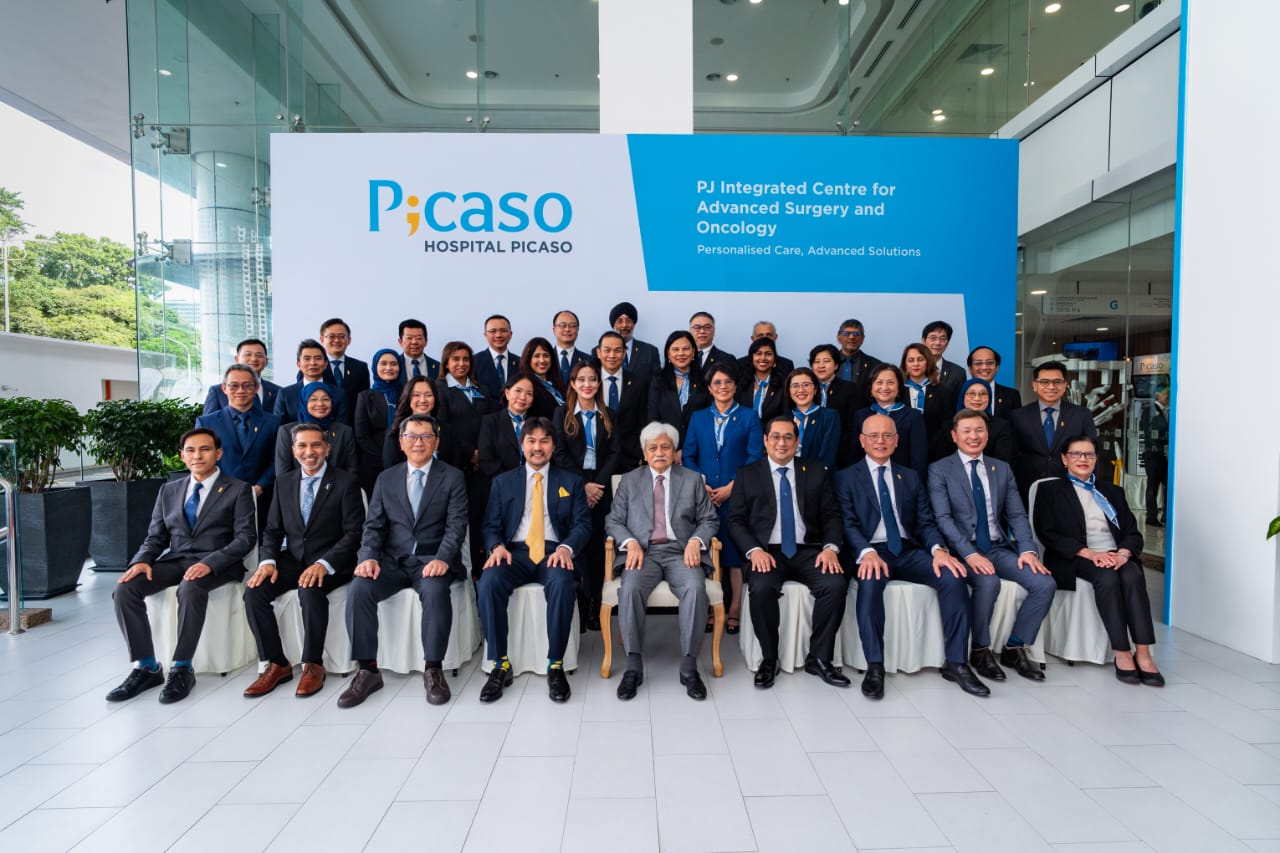
Grand Launch of Hospital Picaso Showcases Advanced Surgery, Oncology Excellence Royal-officiated event showcases cutting-edge technologies, multidisciplinary care, and national achievements in robotic and minimally invasive proce...

LOCUS-T gets MBR recognition for ‘Most Active SEO Service Contracts by an Agency LOCUS-T, one of Malaysia’s leading digital marketing agencies, has been officially recognised by the Malaysia Book of Records (MBR) for achieving t...
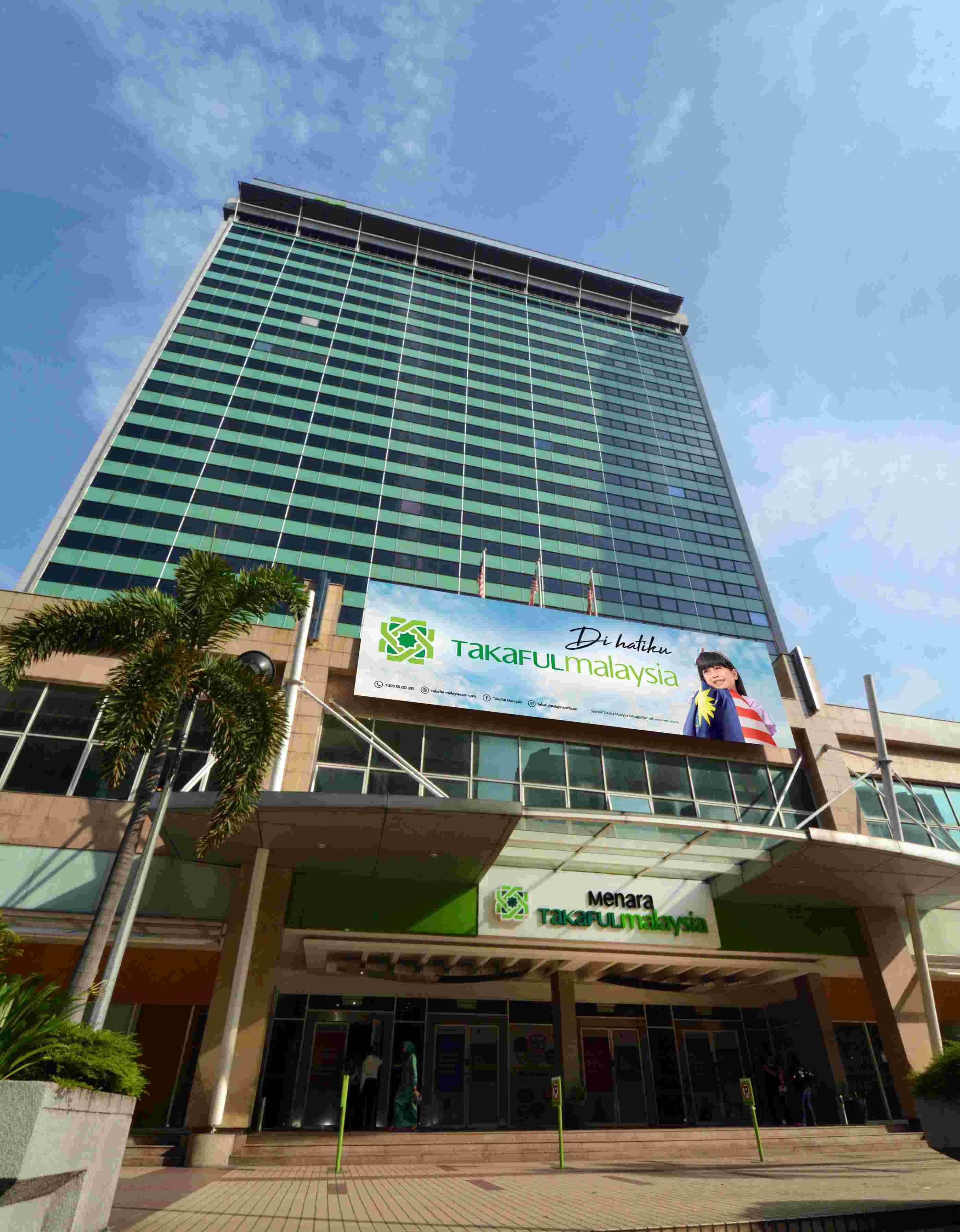
Takaful Malaysia Reports 8% Gross Profit Growth, Posts RM2.75 Billion Revenue For 9M FY2025; Declares Higher 18.5 Sen Interim Dividend Syarikat Takaful Malaysia Keluarga Berhad (“Takaful Malaysia” or “the Group”) today announc...